Everest Base Camp Trek Difficulty: The Complete Honest Guide
The Everest Base Camp trek is moderately difficult to challenging — a long, non-technical high-altitude walk that most reasonably fit people can complete with proper acclimatization and 8–12 weeks of training.
The Short Answer
Difficulty Rating: 6.5–7 out of 10 for a prepared trekker
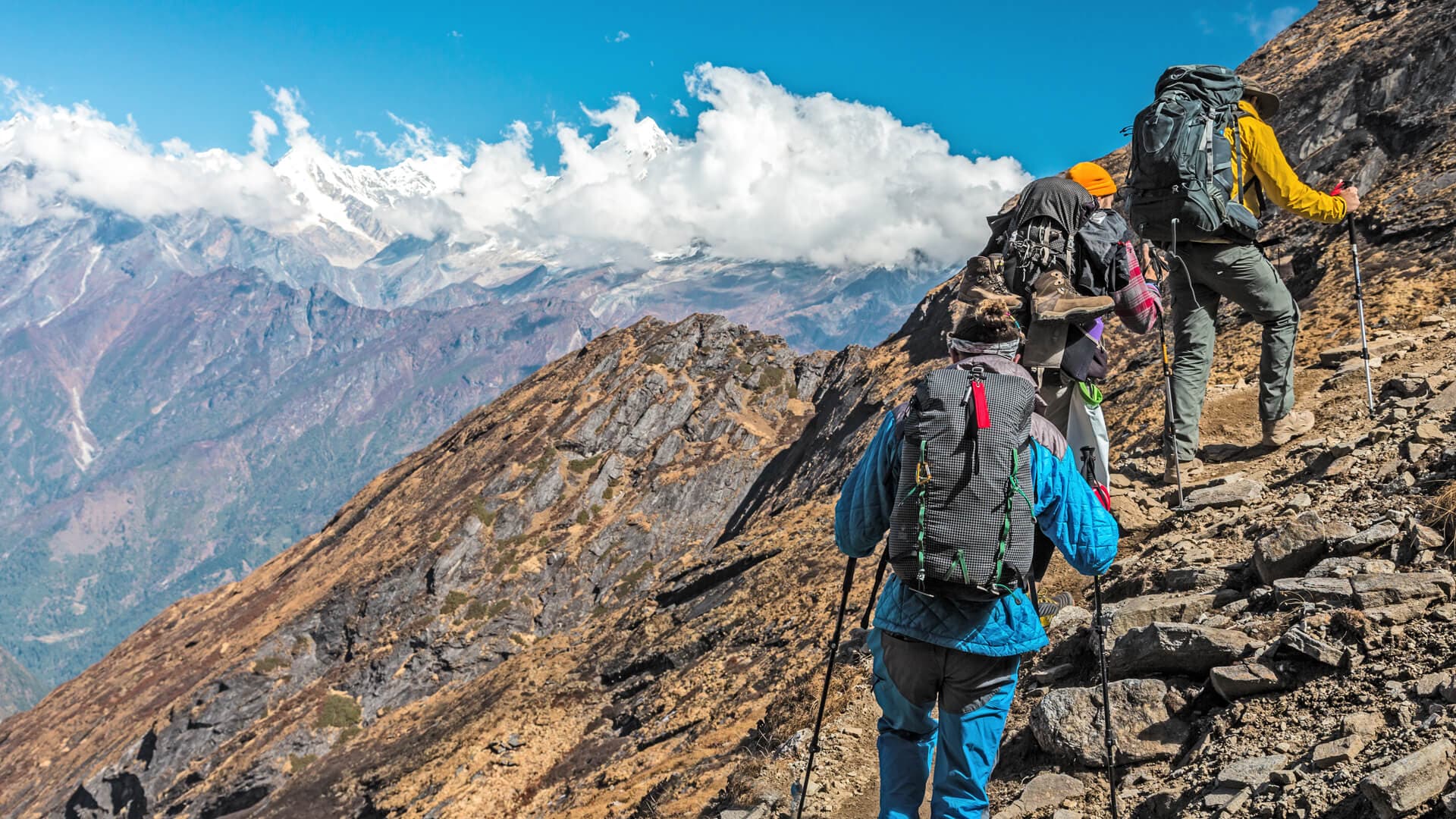
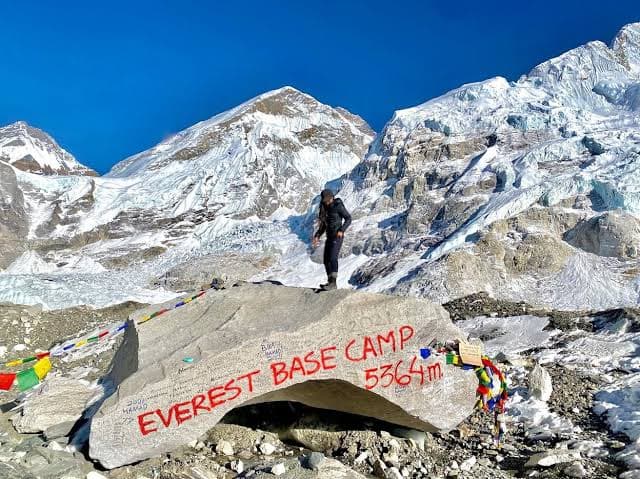
There's no climbing, no ropes, and no mountaineering skill involved. What makes it hard is not the trail itself but the altitude: you'll spend roughly a week above 4,000m, sleep at over 5,100m, and reach 5,364m at Base Camp.
What Actually Makes EBC Hard
1. Altitude — The Factor That Outranks Everything
At Base Camp, each breath delivers roughly half the oxygen your body is used to at sea level. Your heart rate climbs, your pace drops, your sleep fragments, and your appetite fades.
This is why fitness doesn't protect you the way people assume. Marathon runners get altitude sickness. Gym-fit twenty-somethings get evacuated while sixty-year-olds who walked slowly reach Base Camp successfully.
2. Cumulative Fatigue — Twelve Days, Not One Hard Day
No single day is brutal on its own. The difficulty compounds - day after day of 5-8 hours walking, each one starting a little more tired than the last, at elevations where recovery is slower.
3. Cold and Sleep Quality
Above Dingboche (4,410m), overnight temperatures inside unheated teahouse rooms can reach near or below freezing. Cold rooms mean broken sleep; broken sleep at altitude means slower recovery.
Which Days Are Actually Hard?
Hardest Sections:
1. Namche Hill (Day 2): 600m sustained climb after crossing Hillary Bridge
2. Tengboche to Dingboche (Day 4): Steep descent then 600m climb back up
3. Dughla Memorial Hill (Day 7): Steepest climb at 4,600-4,800m altitude
4. Base Camp Day (Day 8): 7-8 hours total, highest altitude
5. Kala Patthar Pre-Dawn (Day 9): Steepest at 5,545m, brutally cold
Easier Than Expected:
Training: 8-12 Week Plan
Weeks 12-9: Base Building
Weeks 8-5: Hiking Specificity
Weeks 4-2: Peak Training
Final Week: Taper
How EBC Compares to Other Treks
Can Beginners Do EBC?
Yes - if you're generally active and train for 8-12 weeks. Prior trekking experience helps with expectations, not capability.
Practical benchmark: Can you comfortably hike 5-6 hours with a light pack on hilly ground, then do it again the next day? If yes (or achievable with training), EBC is within reach.
10 Ways to Make EBC Easier
1. Choose a 12-14 day itinerary with both acclimatization days
2. Walk "bistari bistari" (slowly slowly) - if you can't hold a conversation, you're going too fast
3. Hire a porter (turn 15kg into 6kg daypack)
4. Hydrate 3-4 liters daily
5. Train for back-to-back days, not one big day
6. Invest in a -15°C sleeping bag
7. Bring trekking poles for the descent
8. Talk to your doctor about Diamox
9. Eat even when you don't want to
10. Buffer extra days for weather delays
The Bottom Line
Everest Base Camp is hard the way a marathon is hard: fully achievable by ordinary people who respect it, and punishing to those who don't.
The trail asks nothing technical of you. It asks for two months of honest training, twelve patient days, a slow pace, and the maturity to listen to your body at altitude.
Give it those things and standing at 5,364m, looking up at the Khumbu Icefall, will be one of the most rewarding experiences of your life.
*Planning your EBC trek? Hamro Yatra Adventure offers expertly paced 12-14 day itineraries with experienced Sherpa guides focused on safety and acclimatization. View our Everest Base Camp Trek or explore all Everest region treks.*